Good home cooking has nothing to do with natural talent. It comes from understanding a handful of core principles that professional cooks rely on every single day and that most people were never taught. Get these basic cooking skills right and the way you cook will change forever, not just for one recipe but for everything you make.
These aren’t hacks or shortcuts. They’re foundational skills and habits that apply whether you’re cooking a quick weeknight dinner or working through a demanding weekend project. The cooks who consistently produce good food share these habits. The cooks who struggle tend to be missing the same few basics.
Below are the ten most important things every home cook should understand and practice. Each one builds on the others. Start with whichever feels most relevant to where you are right now and come back for the rest.
What Are the Most Important Home Cooking Basics?
The essential home cooking basics are: mise en place (prepping before you cook), proper knife grip and technique, seasoning in layers throughout cooking, matching the right pan to the job, managing heat by observation rather than just timer, tasting constantly, understanding how acid and fat balance a dish, resting cooked meat, building a simple pan sauce, and planning meals before you shop. Master these and most recipes become straightforward.
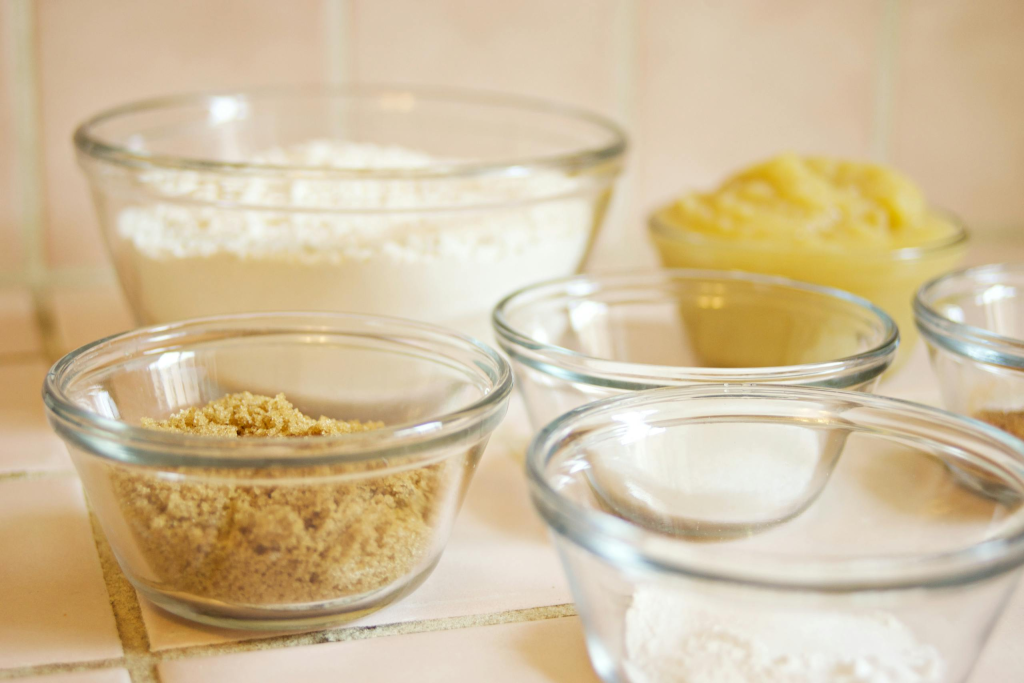
Mise en place is a French kitchen term that means ‘everything in its place.’ In professional kitchens it’s treated as non-negotiable: before any burner is turned on, every ingredient is measured, prepped, and organized within arm’s reach. The reason this rule exists is simple — mid-cook scrambling is where things go wrong.
For home cooks, skipping mise en place is the single most common reason dishes fail or fall flat. You’re halfway through building a sauce, the garlic is about to start burning, and you realize you haven’t even opened the stock. You measure your spices in a panic and drop some. You forget an ingredient because you were focused on the pan, not the recipe.
The fix is completely straightforward: read the full recipe before you start, then prepare every ingredient before you turn on the heat. Chop the vegetables, measure the spices into small bowls, have your liquids ready, pull the butter from the fridge. Then, and only then, start cooking.
The counterintuitive part is that mise en place doesn’t add time to cooking. It shifts prep time to before the cook, where you can do it calmly and systematically rather than frantically and under pressure. The total time is similar. The experience and the results are dramatically better.
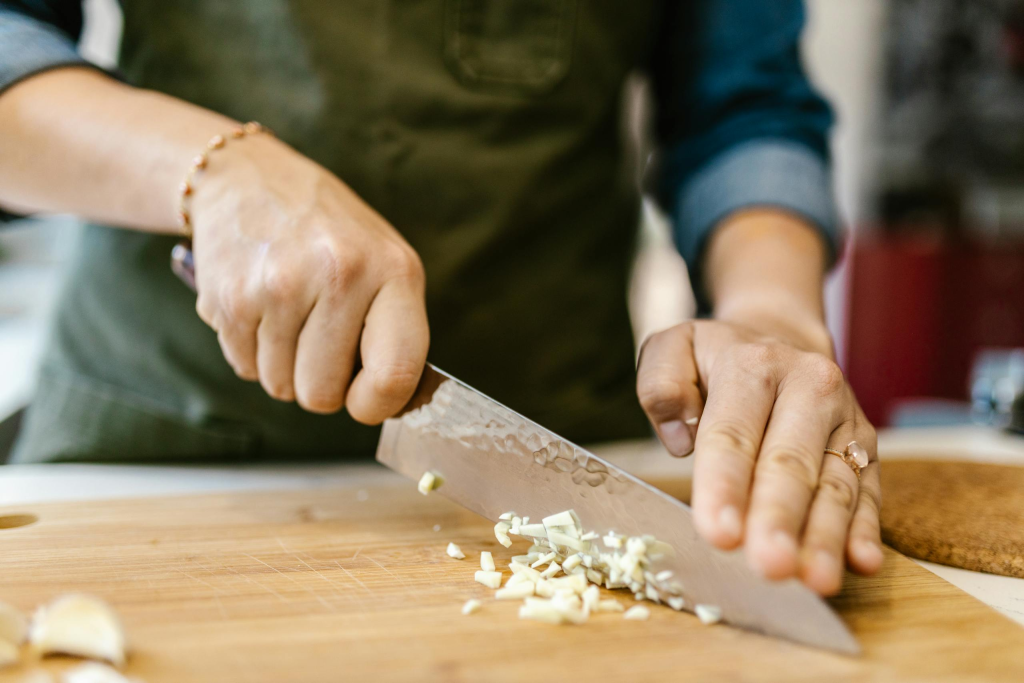
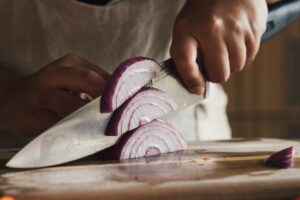
Most people hold a chef’s knife by wrapping all four fingers around the handle, like the way you hold a hammer. This feels natural because it mirrors how we hold most tools. With a knife, however, this is not the right grip! It puts too much distance between your hand and the blade, reduces control, and causes fatigue faster.
The correct grip is called the pinch grip. Your thumb and the side of your bent index finger pinch the blade itself, just above the bolster (the thick band where the blade meets the handle). The remaining three fingers wrap around the handle. With this setup, the blade becomes an extension of your hand rather than a separate object you’re trying to control at arm’s length.
The difference is immediate. Cuts are more precise. The knife tracks more consistently through the ingredients. Adjusting angle and pressure mid-cut is much more natural. And because the pinch grip uses better leverage, you’ll find that a properly sharpened knife requires almost no force at all as the weight of the blade is enough for most cuts.
Your guide hand is equally important. Curl your non-knife hand into a claw with knuckles forward and fingertips tucked back. Rest your knuckles against the flat of the blade as you cut. The blade never rises above your knuckles. Move the guide hand backward in small, controlled increments to control slice thickness. This setup protects your fingertips and makes cuts consistent.
Seasoning at the end of cooking is one of the most reliable markers of an inexperienced cook. Not because it’s wrong to taste and adjust before serving (you should always do that) but because salt added only at the end sits on the surface of food rather than being integrated into it. The initial bite tastes seasoned then falls flat.
Layered seasoning means adding salt, acid, and aromatics throughout the cooking process, not just the final step. Add a pinch of salt when you soften your onions. Add more when the protein goes in. Taste and adjust the sauce before it reduces. Season pasta water so generously it tastes like mild seawater. Each ingredient benefits from seasoning applied at the right moment.
The same logic applies to dried and fresh herbs, to acid, and to fat. Dried herbs added early will bloom in fat and infuse throughout the entire dish. Fresh herbs added in the last two minutes retain their brightness and green character. A squeeze of lemon juice at the finish lifts flavors that have become diluted by long cooking. A knob of cold butter swirled in off the heat rounds everything out.
4. Match Your Pan to the Job
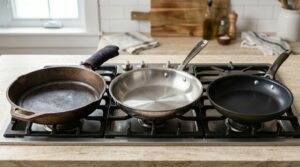
Using the wrong pan for the job is one of the most reliable ways to produce inferior results regardless of your technique. The material, weight, and shape of a pan all affect how heat moves through it and into the food, and those variables change the final dish significantly.
Stainless steel is the preferred choice of professional kitchens because it handles high heat, builds fond (the caramelized proteins and sugars on the pan bottom that become the base of a great sauce), and goes seamlessly from stovetop to oven. Use it for searing proteins and anything where you want to capture drippings.
Cast iron is unmatched for applications that need sustained, even heat. Its thermal mass means it takes longer to heat but holds temperature extremely well. So, when you put a cold steak into a properly preheated cast iron skillet, the pan barely drops in temperature. That consistency produces a more even sear. Cast iron also works in the oven perfectly.
Nonstick should be reserved for a narrow range of applications: eggs, crepes, and delicate fish. Its coating degrades at high heat and prevents the fond development that makes seared proteins taste genuinely good. Using a nonstick pan to sear a steak is one of the most common mistakes in home cooking. You’ll get a grey, steamed piece of meat rather than a proper crust.
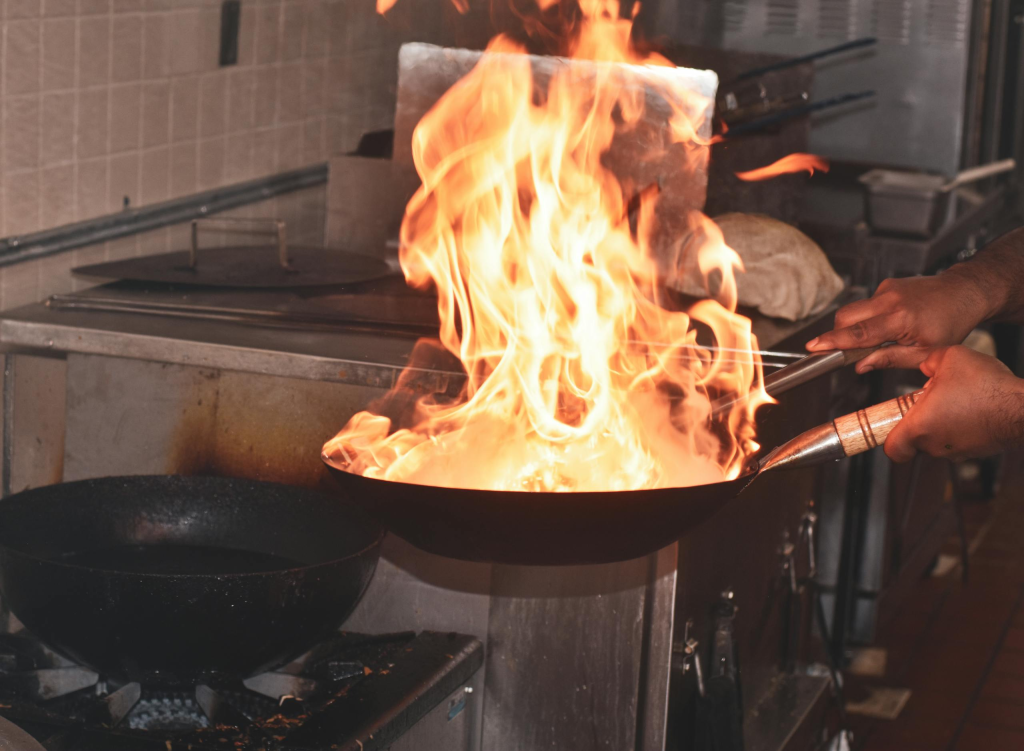
Recipes give cooking times as a reference point, but the real variable is heat. The same recipe will produce different results on a high-output gas range versus a slow electric coil, in a heavy-bottomed pan versus a thin one, or on a humid summer day versus a cold dry winter. What ‘medium heat’ means varies enormously between kitchens and between stoves.
The solution is to cook by observation rather than by the clock. Watch what’s happening in the pan, not what the timer says. Onions sweating over medium heat should be translucent and faintly golden after eight to ten minutes. If they’re browning in just three minutes, your heat is too high. Butter foaming rapidly in a pan means the temperature is right for eggs, while butter that browns immediately means it’s too hot.
Learning to adjust heat on the fly — turning the heat down when a sauce is reducing too fast, increasing it when you want more color — is one of the most practical skills you can develop through cooking. No recipe can teach this because every kitchen variable is different. Time in the kitchen, paying attention, is the only way to build it.
The key signals to watch:
The sound of the sizzle (aggressive means hot, quiet means not hot enough for searing)
The color of the fond developing on the pan bottom (golden is good, dark brown is fine, black is too far)
The way fat moves across the surface (shimmering means ready, smoking hard means too hot for most applications).
6. Taste Everything as You Go
Tasting while you cook is not optional. It is the only thing that tells you what a dish actually needs at any given moment. Every ingredient you add changes the flavor of the whole dish. The only way to track those changes and make informed adjustments is to taste constantly.
Professional cooks taste their food obsessively — before adding salt, after adding salt, before the acid, after the acid, at every stage of a sauce’s reduction, and then again before it hits the plate. This is not excessive. It’s the only way to cook with a purpose rather than just hope it comes out how you want.
Tasting also builds your palate over time in a way that no amount of reading can replicate. When you taste a dish that needs more salt and add a small amount and taste again, you’re building a direct connection between a dish being ‘flat’ and ‘just right.’ Over time, you start identifying what’s missing before you even think about it. That intuition is real skill, and it only comes from constant tasting.
A practical note: taste with a clean spoon each time, not with whatever you’ve been stirring with. And spit if you need to during a long session. Professional cooks in wine or spirit tastings do this instinctively, and there’s no rule against applying the same logic to a long sauce reduction.
7. Understand How Acid and Fat Balance a Dish
If a dish tastes flat or heavy but you’ve already seasoned it with salt, there are two remaining levers before you start adding more ingredients: acid and fat. Understanding what each one does and when to use them is one of the most immediately useful pieces of cooking knowledge there is.
Acid brightens. A flat, muted sauce or stew often needs nothing more than a squeeze of lemon juice or a splash of vinegar. Acid makes other flavors more noticeable, cuts through richness, and provides the contrast that makes a dish feel complete rather than one-dimensional.
Fat enriches and rounds. A pasta finished with a tablespoon of butter tastes more complete than the same pasta without it. A drizzle of good olive oil over a finished soup brings together flavors that would otherwise feel slightly off. Fat carries fat-soluble flavor compounds and makes the overall dish more cohesive.
The four-element framework — salt, acid, fat, heat — is how professional cooks assess what a dish needs at any stage of cooking. Salt seasons and amplifies. Acid brightens and contrasts. Fat enriches and rounds. Heat transforms and develops. When something tastes off, identifying which of these four is missing allows you to easily fix the dish instead of just guessing.
8. Rest Your Meat Before Cutting
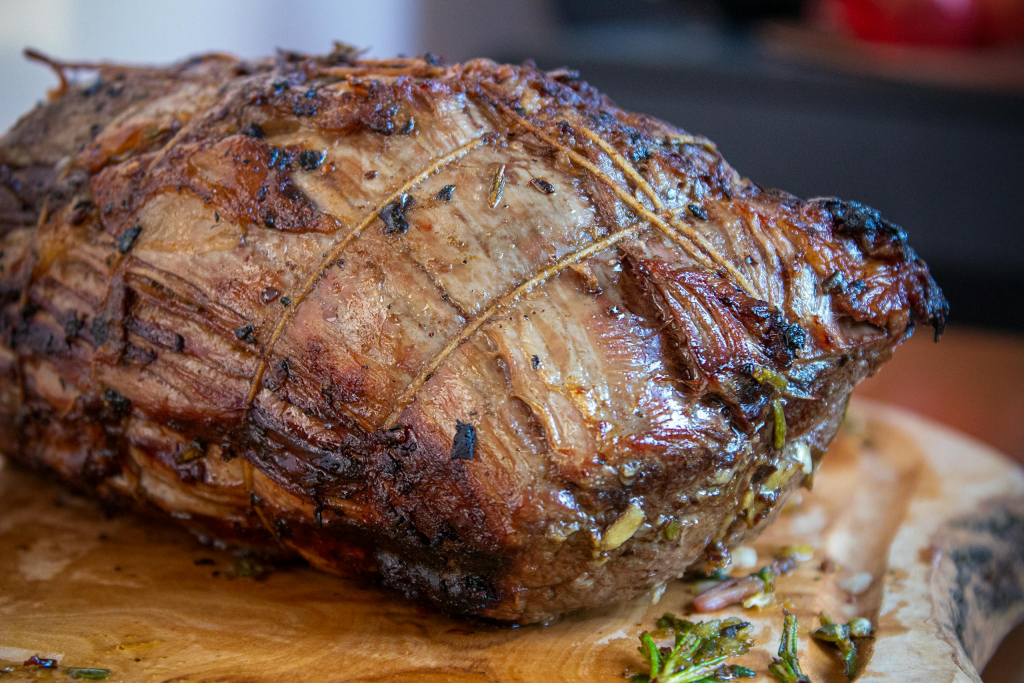
Cutting into a cooked steak or roast immediately off the heat is one of the most consistently costly mistakes in home cooking. During cooking, the muscle fibers in meat contract under heat and push moisture toward the center. The internal temperature is also uneven right after being cooked as the outside will be far hotter than the center. Cutting at this point will cause all of those juices to squeeze out onto the counter as you slice through it.
Resting allows two things to happen. First, as the temperature equalizes throughout the cut, the muscle fibers relax and gradually reabsorb the liquid they displaced during cooking. Second, carryover cooking (the continued rise in internal temperature after the heat source is removed) completes. A steak pulled from the pan at 125°F will rise to 130°F or slightly above during a five-minute rest.
The practical rules:
Steak or thin chop: 5-8 minutes
Pork tenderloin or chicken breast: 5-8 minutes
Whole roast chicken or pork loin: 10-15 minutes
Large smoked brisket: 30-60 minutes
Cover the resting meat loosely with foil to retain warmth without trapping steam that softens any crust you’ve developed. A warm plate helps.
9. Learn One Pan Sauce
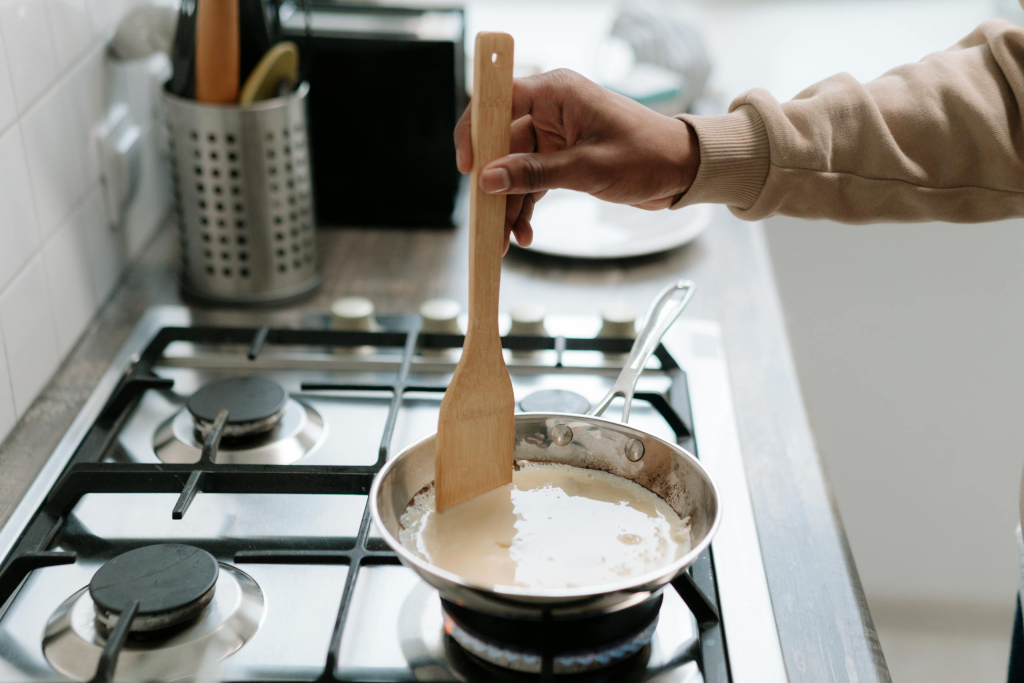
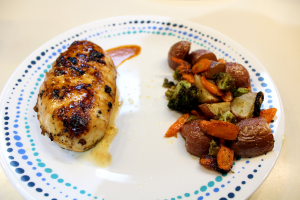
A pan sauce transforms a cooked piece of protein from a simple seared meat into a finished dish, and it only takes about three to four minutes! After searing chicken thighs, a pork chop, or a steak, you’re left with a hot pan covered in fond. Pouring that down the drain is a real loss.
The process is reliable and works with almost any protein:
Remove the cooked protein and set it aside to rest.
Add aromatics if you want like finely sliced shallots and crushed garlic.
Cook briefly over medium-high.
Deglaze with liquid: a splash of wine, stock, or even water.
Scrape up every bit of fond from the pan bottom.
Reduce the liquid by roughly half.
Pull the pan off the heat and swirl in one to two tablespoons of cold butter in small pieces. The butter emulsifies into the reduced liquid, producing a glossy, rich sauce.
Season, taste, and pour over the protein.
Once you understand how this works, you’ll find yourself making it almost automatically whenever you sear something. It adds minimal time and produces a result that easily upgrades any weeknight meal.
10. Plan Your Meals Before You Shop
Meal planning is not about following schedules or color-coded spreadsheets. In it’s most basic sense, it just means making decisions about what you’ll cook when you have time.
A minimal version looks like this:
Once a week, decide roughly what you’re making for the next four or five days.
Write a shopping list based on those specific dishes. When you shop, you buy what you need rather than general ‘ingredients’ that may or may not work together.
The payoff is fewer wasted trips to the store mid-week, less food thrown out, and less decisions when it’s time to cook.
The more advanced version involves thinking about ingredients overlapping, like how a whole chicken roasted on Sunday becomes the base for a grain bowl on Tuesday, or how the herbs bought for one dish can get used across three. This is how experienced cooks minimize waste and get more out of their shopping without spending more.
Good cooks think in terms of components and ingredients, not just recipes. When you start planning around what’s seasonal, what’s already in your pantry, and which proteins can anchor multiple meals, cooking becomes both more efficient and more creative.
Where to Go From Here
These ten principles aren’t things to memorize and file away. They’re habits that will compound over time as you continue doing them. The cook who preps before starting, holds the knife correctly, seasons throughout, manages heat by observation, and builds a pan sauce from the drippings is a dramatically better cook than someone who skips all of this. It has nothing to do with talent, just an accumulation of habits.
Pick one item from this list that you don’t currently practice. Focus on it for a week. Then come back for the next one. The improvement will be measurable faster than you expect.
Each of the techniques above has a dedicated deep-dive article on this site. Use the links throughout to go further on any individual skill.
Frequently Asked Questions (FAQs)
What are the most important cooking skills for beginners?
The most important cooking skills for beginners are mise en place, proper knife grip, and seasoning in layers. These three fundamentals apply to virtually every recipe and produce an immediate improvement in results. Heat management and tasting as you go round out the core five.
How long does it take to get good at cooking at home?
Most people notice meaningful improvement within four to six weeks of consistent, deliberate practice. The key is repetition of the same dishes rather than constantly trying new recipes. Cooking the same pasta, the same seared chicken, or the same roasted vegetables repeatedly builds intuition faster than variety.
What is mise en place and why does it matter?
Mise en place means prepping and organizing all your ingredients before you start cooking. It matters because scrambling to do other tasks while cooking like reaching for other ingredients while something is already in a hot pan is the root cause of most home cooking mistakes. Prepping first lets you cook with full attention on the heat and the food.
Why does food from restaurants taste better than home cooking?
Restaurant food typically tastes more seasoned because professional cooks season in layers throughout cooking rather than only at the end, use more fat and acid as finishing elements, and have built-in systems (like mise en place) that allow them to focus entirely on execution rather than prep. Applying these same habits at home closes most of the gap.
What is the pinch grip and why should I use it?
The pinch grip means holding a chef’s knife with your thumb and index finger pinching the blade just above the bolster, rather than wrapping all fingers around the handle. It gives you direct control over the blade, improves precision, reduces fatigue, and makes all knife work significantly more controlled and safer.
How do I know when a pan is hot enough to sear?
A properly preheated pan for searing passes the water droplet test: a few drops of water flicked into the pan should bead up and skitter across the surface rather than evaporating immediately. After adding oil, the oil should shimmer and just begin to show the first wisp of smoke. At that point, the pan is ready for protein.
Hi, I’m Dylan, the recipe developer, cook, and photographer behind Cooked & Baked, which I run alongside my girlfriend, Jill. Together, we share homemade recipes focused on real ingredients, approachable cooking, and bold flavors.
Most of my time in the kitchen is spent cooking, grilling, and smoking everything from simple comfort foods to slow-cooked barbecue favorites. Outside the kitchen, I also enjoy gardening and using fresh homegrown ingredients in our recipes whenever possible, especially fresh herbs and seasonal vegetables.
Manage Consent
To provide the best experiences, we use technologies like cookies to store and/or access device information. Consenting to these technologies will allow us to process data such as browsing behavior or unique IDs on this site. Not consenting or withdrawing consent, may adversely affect certain features and functions.
Functional
Always active
The technical storage or access is strictly necessary for the legitimate purpose of enabling the use of a specific service explicitly requested by the subscriber or user, or for the sole purpose of carrying out the transmission of a communication over an electronic communications network.
Preferences
The technical storage or access is necessary for the legitimate purpose of storing preferences that are not requested by the subscriber or user.
Statistics
The technical storage or access that is used exclusively for statistical purposes.The technical storage or access that is used exclusively for anonymous statistical purposes. Without a subpoena, voluntary compliance on the part of your Internet Service Provider, or additional records from a third party, information stored or retrieved for this purpose alone cannot usually be used to identify you.
Marketing
The technical storage or access is required to create user profiles to send advertising, or to track the user on a website or across several websites for similar marketing purposes.