Charcoal vs. Gas vs. Pellet Grills: Which Is Right for You?
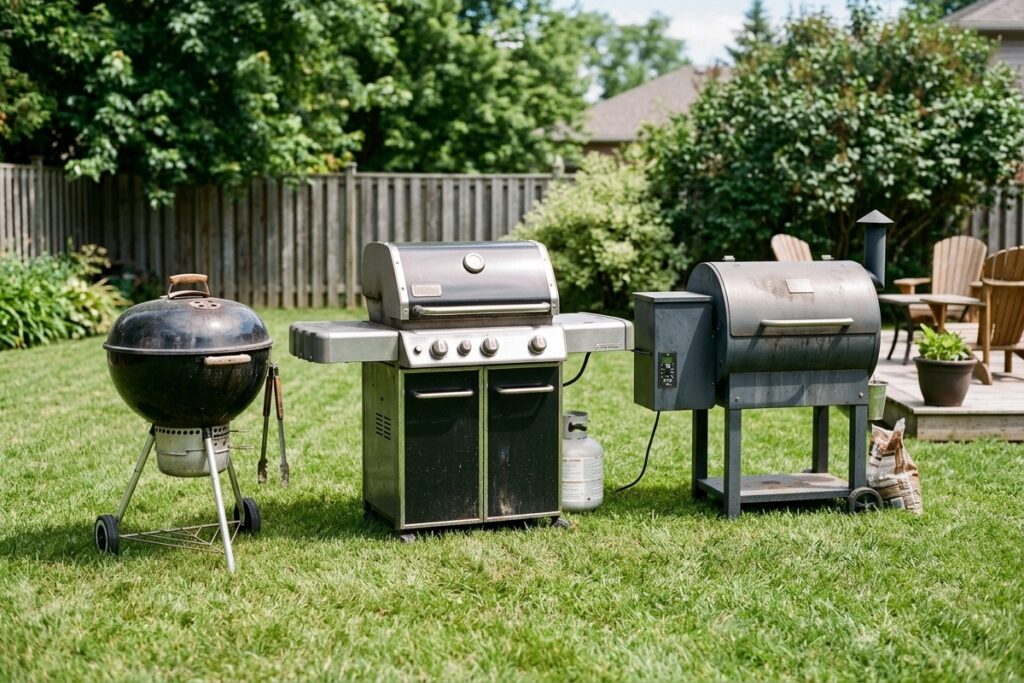
Choosing a grill is one of those decisions that feels simple until you start researching it. Then you’re suddenly comparing BTU ratings, hopper capacities, and the relative merits of lump charcoal versus briquettes. And you haven’t even bought anything yet. The debate between charcoal, gas, and pellet has been running for decades, and it has genuine advocates on every side.
The honest truth is that there is no universally best type of grill. Charcoal, gas, and pellet grills each have real advantages and real limitations. The right choice depends on how you cook, what you value in the process, how often you grill, and what your budget allows. A serious steak obsessive and a busy parent of three have completely different needs, and they should probably own different grills.
This guide gives you everything you need to make that decision clearly: a real look at how each type performs, who it’s best suited for, what to budget, and a side-by-side comparison you can reference quickly.
Quick Answer: Charcoal vs. Gas vs. Pellet Grills
Charcoal delivers the best flavor and highest heat but demands the most hands-on involvement.
Gas is fast, reliable, and the most convenient option for everyday grilling.
Pellet grills offer set-and-forget operation with wood smoke, making them the most versatile option for anyone who wants to smoke as well as grill.
Choose by priority: flavor (charcoal), convenience (gas), or versatility (pellet).
The Case for Charcoal Grills
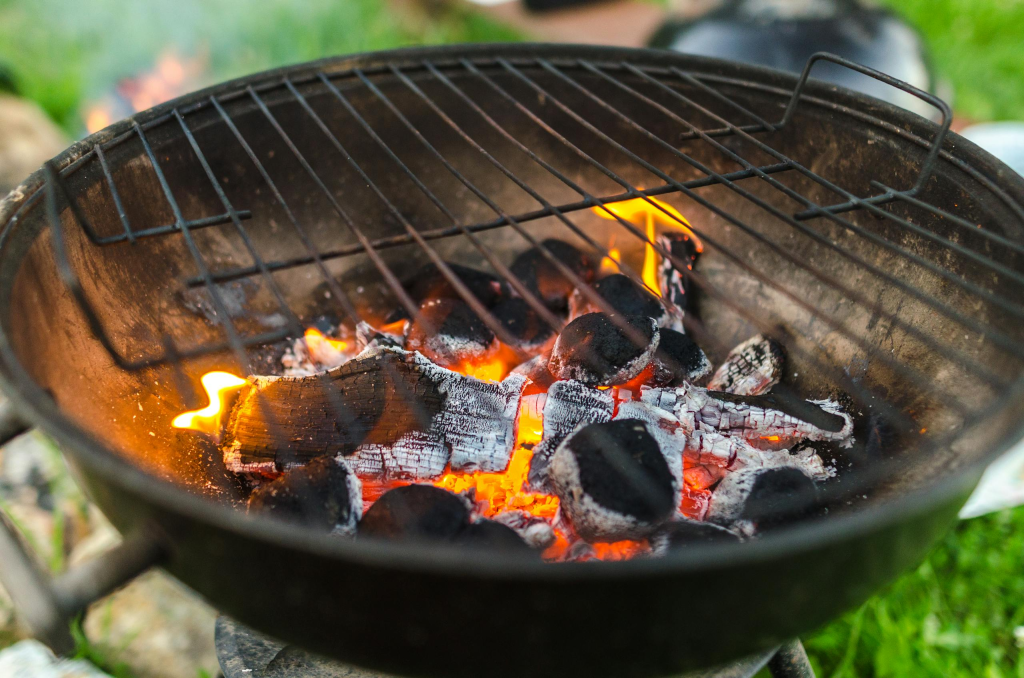
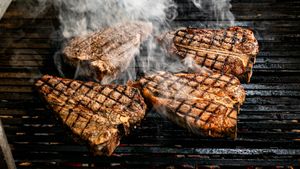
Charcoal is the original outdoor cooking fuel, and it still produces results that gas and pellet grills genuinely can’t match. High radiant heat, a live fire environment, and natural smoke create a cooking experience and a flavor profile that most serious grillers consider the gold standard. When people talk about ‘real’ grilling, they’re usually talking about charcoal.
Flavor
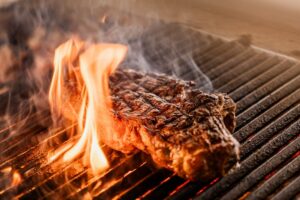
The flavor advantage of charcoal is real and measurable. Charcoal burns at higher temperatures than most gas grills (a fully loaded charcoal chimney can reach 700°F or more at the grate) and produces trace amounts of smoke even without added wood. The intense radiant heat from glowing coals cooks food differently than gas flames, creating a crust and drip-flare smoke that gas cannot fully replicate.
For steaks, burgers, bone-in chicken, and anything you want charred, charcoal has that authentic quality that expert cooks recognize immediately. Adding wood chunks on top of the coals pushes the flavor further, giving you real control over the smoke profile.
Cost
Charcoal grills are often the most affordable entry point. A quality 22-inch kettle grill from a reputable brand runs $100–$250. Kamado-style charcoal grills cost significantly more ($500–$2,000) but offer additional versatility and heat retention. The ongoing cost of charcoal (typically $15–$25 per large bag of quality lump) adds up over time, but for occasional grillers it remains manageable. For frequent grillers, the annual charcoal cost can approach what you’d spend on propane.
The Learning Curve
Charcoal demands more from the cook. You need to light it (a chimney starter is highly recommended), wait for it to fully ash over (about 20–25 minutes), arrange it for the cooking method you want, and manage airflow through the vents to control temperature throughout the cook. None of these steps are difficult, but they require attention and presence.
Many charcoal enthusiasts consider this involvement part of the appeal. There’s a ritualistic quality to building and managing a fire that gas cooking doesn’t provide. But for cooks who want to grill quickly after work without much ceremony, that same involvement becomes more effort than people have after a long day.
Best For
Charcoal is the best choice for cooks who:
- Prioritize flavor above all else
- Enjoy the process of fire management
- Grill outdoors occasionally rather than every day
- Want to cook hot and fast (steaks, burgers, chops, sausages)
- Working with a limited budget for the initial purchase
Helpful Resources:
The Two-Zone Grilling Method Explained
The Case for Gas Grills
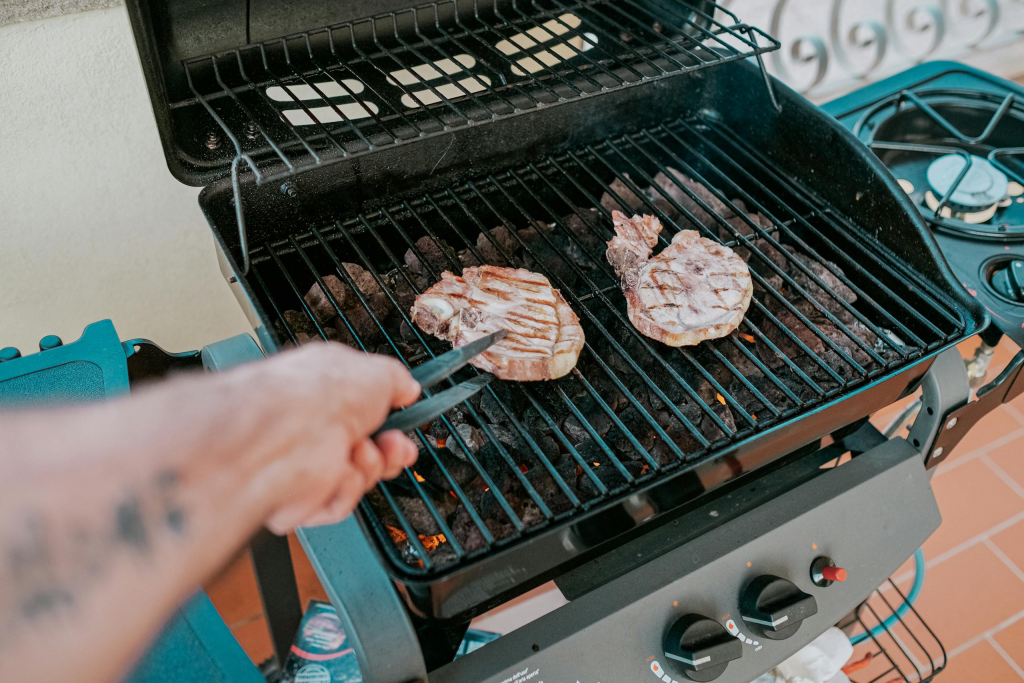
Gas grills dominate the outdoor cooking market for one clear reason: they fit how most households actually live. Turn the knob, hit the igniter, and you’re at cooking temperature in ten minutes or less. No waiting for coals to ash over. Much less cleanup afterwards. No mental energy spent managing a fire. For a Tuesday evening dinner after a full workday, that simplicity is hard to beat.
Consistency and Control
Gas grills offer precise, repeatable temperature control that charcoal can’t easily match. Turn a knob and get a consistent 400°F. Run the left burner on high and the right burner off for an instant two-zone setup. Adjust mid-cook by simply turning a knob rather than rearranging coals or adjusting vents. This level of control is particularly valuable for new grillers who are still learning, and for experienced cooks who want reliability.
Multi-burner gas grills allow you to run very different temperature zones simultaneously, which is very useful when cooking multiple things with different requirements at the same time. Getting that kind of zone flexibility on charcoal takes a lot practice and setup.
Flavor
The honest answer is that gas-grilled food tastes slightly different from charcoal-grilled food. Most people who eat both regularly notice the difference on a blind taste test, though ‘worse’ isn’t the right word, it’s just different. Gas produces less char, and without added wood chips, there’s minimal smoke flavor.
The gap can be significantly narrowed with a smoker box loaded with wood chips placed directly over a lit burner. This produces real smoke flavor and gets you much closer to charcoal results for longer cooks. For quick items like burgers and chicken pieces, the difference in final flavor is smaller than many people expect.
Cost
Mid-range gas grills from established brands run $350–$700 and offer solid performance and durability. Premium models from brands like Weber, Napoleon, or Lynx push well past $1,000. Natural gas conversion (running a dedicated line to the grill) eliminates propane tanks entirely, which is worth considering if you grill frequently and have patio access to your home’s gas line. Propane costs roughly $3–$5 per pound. A standard 20-pound tank lasts 18–20 hours of cooking at medium heat.
Best For
Gas is the best choice for cooks who:
- Grill frequently and want minimum friction
- Value reliable and consistent results above peak flavor
- Cook for families where speed and predictability matter
- Grill in weather conditions where charcoal lighting is a challenge
- Want a grill that functions more like an outdoor appliance than a craft
The Case for Pellet Grills
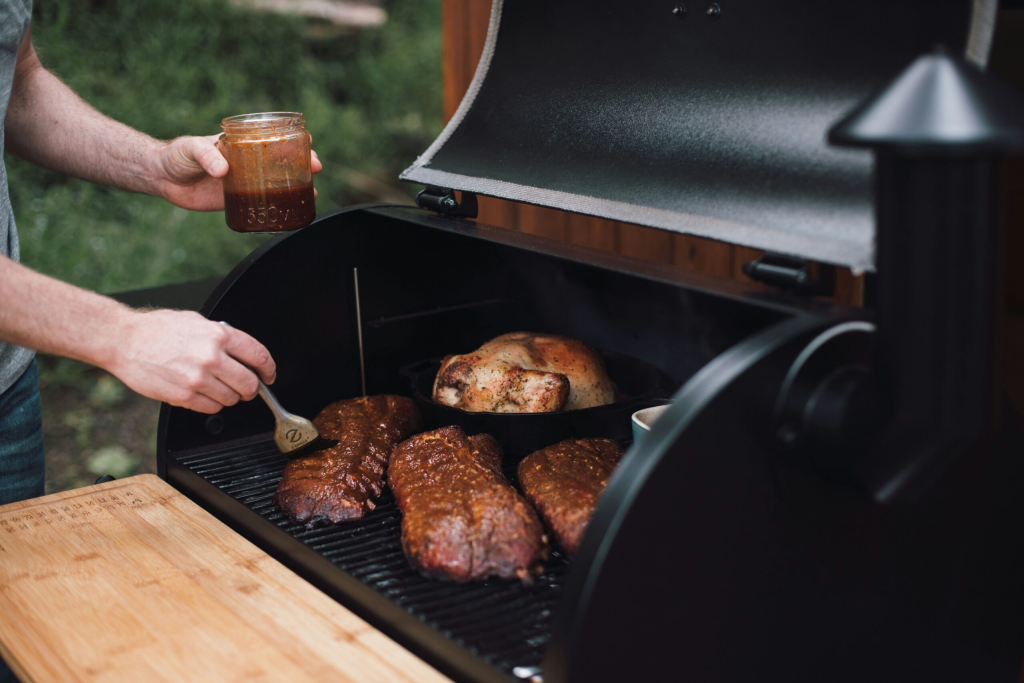
Pellet grills have transformed from a niche product into one of the fastest-growing segments in outdoor cooking, and that growth reflects genuine capability. A digital controller feeds hardwood pellets from a hopper into a fire pot at a precisely metered rate, maintaining whatever temperature you set without intervention. Real wood combustion means real smoke flavor. Set-and-forget operation means you can smoke a twelve-pound brisket and go about your day.
Versatility
Pellet grills are technically smokers that have gotten very good at grilling. Modern units run from 180°F for cold-adjacent low smoking up to 500°F or higher for grilling. You can smoke a pork shoulder at 225°F for ten hours, roast a whole chicken at 375°F, bake a pizza at 450°F, and reverse-sear a ribeye at 250°F then 500°F on the same device. That kind of range is seriously useful for cooks who want one outdoor appliance to do everything.
Smoke Flavor
Pellet grills produce a cleaner, milder smoke profile than a traditional offset smoker, but the smoke flavor is real and pleasant — noticeably more smoke than gas, but less than charcoal with added wood. The flavor profile will vary by pellet: hickory is bold and savory, apple is mild and slightly sweet, cherry adds a fruity note and a darker color on the bark. Using a single wood type or blending them gives you control over the final flavor.
For those transitioning from gas who want more smoke character without managing a full charcoal fire, a pellet grill is the natural step.
Cost
Entry-level pellet grills start around $300–$400 and offer solid performance for occasional use. Quality mid-range models from Traeger, Camp Chef, Pit Boss, and RecTeq run $500–$900 and are better built for frequent use. Premium options exceed $1,500. Pellets cost $1–$2 per pound; at a burn rate of 1–2 pounds per hour, expect to spend $15–$30 monthly for regular weekend smoking.
Best For
Pellet grills are best for cooks who:
- Want real wood smoke flavor without constant monitoring
- Plan to do low-and-slow smoking (brisket, pork shoulder, ribs)
- Want one versatile outdoor cooker for multiple techniques
- Grill or smoke multiple times per week and value the time savings
- Are comfortable with technology and occasional mechanical maintenance (the auger and fire pot require periodic cleaning).
Side-by-Side Comparison
| Feature | Charcoal | Gas | Pellet |
|---|---|---|---|
| Flavor | Best — real char + smoke | Good — clean, mild | Very Good — wood smoke flavor |
| Ease of Use | Moderate — fire management required | Easy — turn-key operation | Easy — digital set-and-forget |
| Startup Time | 20–30 min | 8–10 min | 10–15 min preheat |
| Temperature Control | Manual — vent adjustment | Precise knob control | Digital precision ±15°F |
| Max Temp | 700°F+ (direct coals) | 500–600°F (varies) | 450–500°F (most models) |
| Smoking Ability | Yes — with wood chunks | Limited — smoker box needed | Excellent — primary function |
| Versatility | Grilling + some smoking | Primarily grilling | Grilling + smoking + baking |
| Entry-Level Cost | $100–$250 | $300–$500 | $300–$500 |
| Ongoing Fuel Cost | Moderate ($15–25/bag) | Low–moderate (propane) | Moderate ($1–2/lb pellets) |
| Maintenance | Low — ash disposal | Low — burner cleaning | Moderate — auger + firepot |
| Learning Curve | Moderate | Low | Low |
Which Type of Grill Should You Buy?
There’s really only one question you need to ask yourself: what is your ultimate goal when you’re grilling?
If the answer is the best possible flavor and you don’t mind investing time in fire management, charcoal is the right call. A quality 22-inch kettle gives you everything you need like the ability to set up two-zone cooking, add wood for smoke, and cook at temperatures no gas grill can reach. It’s also the most affordable starting point.
If the answer is a grill that’s ready when you are, consistent every time, and works as an outdoor appliance you don’t have to think much about, gas is the clear choice. Buy a well-built three-burner model from an established brand and it will give you years of reliable performance.
If the answer is versatility — something that can smoke a brisket on Saturday, roast a chicken on Sunday, and grill a steak on Tuesday — a pellet grill is worth the higher entry cost. The set-and-forget smoking capability alone justifies it for cooks who plan to use it regularly.
Most serious outdoor cooks end up with two grills over time. A charcoal kettle for the days when you want the full experience, and a gas or pellet grill for daily convenience. But starting with one, the answer comes down to a clear hierarchy of priorities. Identify yours and the decision becomes pretty clear.
Frequently Asked Questions (FAQs)
Is charcoal or gas better for grilling?
Charcoal produces better flavor due to higher heat and natural smoke. Gas is significantly more convenient and consistent. The better choice depends on your priorities — charcoal for flavor and the grilling experience, gas for speed, everyday ease, and reliability.
Are pellet grills worth the money?
Yes, if you plan to smoke meat regularly and want set-and-forget convenience with real wood smoke flavor. Entry-level models start around $300–$400. For those who primarily grill rather than smoke, a gas grill offers similar convenience at lower cost.
What is the best type of grill for beginners?
Gas grills are the best choice for most beginners because they’re easy to start, reach temperature quickly, and offer reliable knob control. There’s almost no learning curve, which allows you to focus entirely on cooking.
Can you get smoke flavor from a gas grill?
Yes, a smoker box loaded with wood chips and placed directly over a lit burner produces real smoke. The result isn’t as robust as charcoal with wood chunks or a dedicated smoker, but it meaningfully adds smoke character to gas-grilled food.
How long does charcoal take to be ready?
With a chimney starter, charcoal is fully ashed over and ready to cook in 20–25 minutes. The coals should be covered in grey ash with a bright orange glow. Using lighter fluid shortens the wait slightly but adds chemical flavors and should be avoided for serious cooking.
What size grill should I buy?
For a household of 2–4 people, a 22-inch kettle or a three-burner gas grill is sufficient for most cooking. If you regularly cook for larger groups or want to smoke large cuts like a whole brisket or pork shoulder, look for 500+ square inches of cooking surface.