Mise en Place: What It Is and Why It Changes Everything
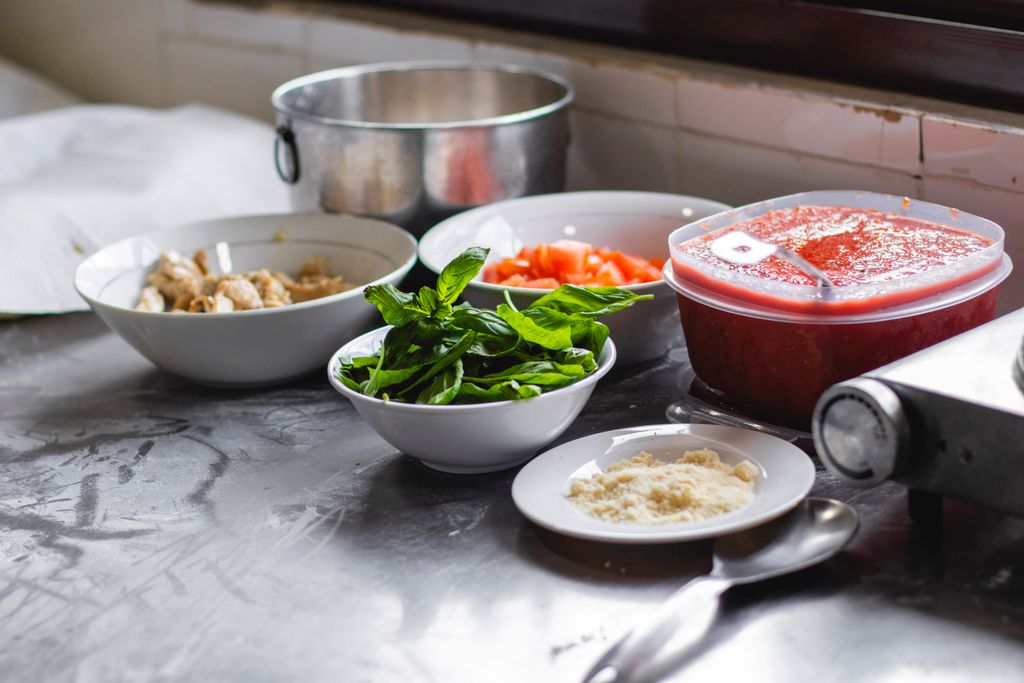
Mise en place is a French culinary term that means ‘everything in its place.’ In professional kitchens it is a non-negotiable standard. Before any cooking begins, every ingredient is measured, prepped, and organized within reach.The chef who starts cooking before everything is ready is the chef who makes mistakes.
Most home cooks have never been taught this approach. The default instinct is to follow a recipe as you go — chop the onion when the recipe says ‘add the onion,’ measure the salt when you need it. This feels efficient, but in practice it’s where the majority of home cooking problems originate.
Mise en place is not a professional secret or a complicated system. It’s a habit that takes about thirty seconds to adopt and produces an immediate, noticeable improvement in every cook.
Quick Answer: What Is Mise en Place?
Mise en place (pronounced ‘meez ahn plahs’) means prepping and organizing all ingredients before you start cooking. You chop vegetables, measure spices, open cans, portion proteins, and arrange everything in reach before turning on a single burner. It removes mid-cook scrambling, keeps you in control of timing and heat, and produces better results with less stress.
Why Most Home Cooks Skip It
The instinct most home cooks follow is to read the recipe line by line and do each step as they encounter it — reach for the onion when the recipe says ‘dice one onion,’ measure the broth when ‘add the broth’ appears. This approach feels like you’re moving efficiently because you’re always doing something.
The problem is that cooking doesn’t pause while you prep. A pan with butter and garlic won’t wait while you mince shallots. A sauce reducing over medium-high heat doesn’t hold while you open a can of tomatoes. The moment you’re prepping one ingredient while another is in the pan, your attention is split, and that’s exactly when things burn, get over-seasoned, or get missed entirely.
There’s also a compounding effect. When you don’t prep beforehand, you often discover mid-cook that you’re missing an ingredient, that something needs to be at room temperature and isn’t, or that you misjudged quantities. Each of these mid-cook discoveries costs time and focus that should be on the heat and the food.
Professional kitchens treat mise en place as non-negotiable not because chefs are perfectionists, but because they’ve learned through hard experience that cooking without it produces worse results and more mistakes. The same logic applies perfectly at home, even if the volume is lower.
How to Apply Mise en Place at Home
The system is simple and requires no special equipment. It just requires doing things in a specific order.
Step 1: Read the Entire Recipe First
Before touching anything, read the recipe completely, from the ingredient list through the final step. This single habit prevents most mid-cook surprises. A full read reveals what equipment you’ll need, which steps happen simultaneously, whether anything needs advance preparation (marinating overnight, bringing meat to room temperature, soaking dried beans), and how the dish is actually structured rather than how it appears step by step.
Many home cooks read a recipe as they cook and are surprised partway through by a step that requires something they didn’t expect like preheating the oven, a protein that needs to rest, a sauce that should have been made first. Reading first eliminates all of that.
Step 2: Gather Everything
Pull every ingredient from the fridge, pantry, and spice drawer before you begin cooking. Every item called for in the recipe should be on your counter before anything goes near a pan. If something is missing, you discover it now while there’s time to substitute, shop, or adjust the recipe, not when your onions are already caramelizing and you need to add stock that you don’t have.
This step also functions as a mental rehearsal of the dish. Seeing all the ingredients together lets your brain start mapping the sequence before cooking begins, which makes execution smoother.
Step 3: Prep and Measure Everything
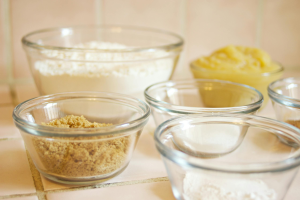
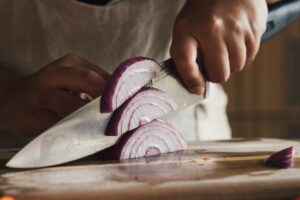
Chop, dice, mince, measure, and drain everything the recipe requires. Put dry spices into small prep bowls. Measure liquids into cups or ramekins. Separate ingredients that go in at different times into different vessels. Trim proteins and pat them dry. Drain and rinse canned goods.
A good rule of thumb: if the recipe says ‘one diced onion,’ the onion should be fully diced and in a bowl before you do anything else. If it says ‘one cup of stock,’ that cup of stock should be measured out and sitting on your counter. At the very least, have the stock out and a measuring cup ready to go right beside it.
Step 4: Organize by Order of Use
Arrange your prepped ingredients in the order they’ll be added to the dish — left to right across your counter, or nearest to farthest from the stove. When you’re mid-cook, you should be able to reach for the next ingredient without searching or thinking. The sequence is already in front of you.
Ingredients that go in together can share a bowl or plate. If the garlic and shallots are added at the same time, prep them together. If the garlic goes in two minutes before the shallots, keep them separate so you can reach for each independently.
Step 5: Then Cook
With everything prepped, measured, and organized in sequence, cooking becomes so much easier and less stressful. You’re not scrambling or guessing. You’re following a plan you already made, with both hands and full attention free for the actual cooking like managing heat, observing color, tasting, and adjusting. This small difference is what produces great food.
The Real Difference It Makes
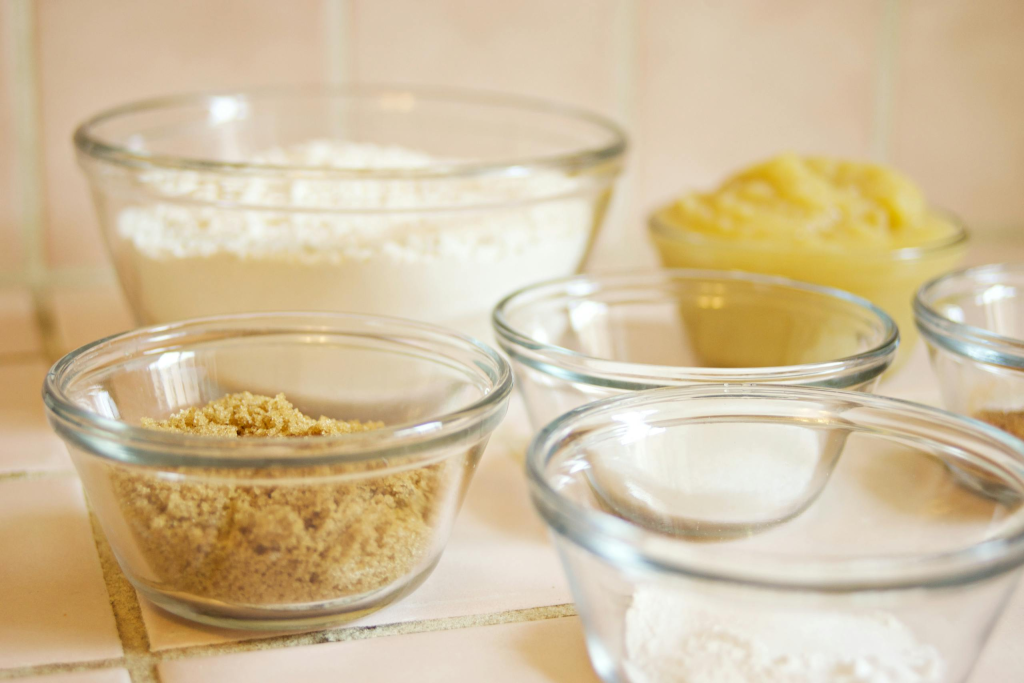
Mise en place doesn’t just reduce stress, it directly improves the food you make. When you’re not scrambling for ingredients, you can watch the onions more carefully and catch them at exactly the right color. You can taste the sauce at each stage and make informed adjustments. You notice when the garlic is about to color too quickly and turn the heat down before it burns. All of these are small things, but they compound across every stage of a cook.
The habit also accelerates skill development. When cooking is organized and calm, you pay attention to what’s happening rather than what you’re missing. You start to understand why certain ingredients go in first, why timing between steps matters, why heat levels change throughout. That understanding builds faster from an organized cook than a chaotic one.
Start with your next meal. Read the recipe fully, prep everything before you turn on the heat, organize it by order of use, and then cook. The difference will be apparent immediately.
Expand Your Cooking Knowledge:
>> 10 Things Every Home Cook Should Know
Frequently Asked Questions (FAQs)
What does mise en place mean?
Mise en place is a French culinary term meaning ‘everything in its place.’ It refers to the practice of prepping, measuring, and organizing all ingredients before you start cooking so that once the heat is on, you have everything needed to easily make great food without missing ingredients or scrambling to catch up.
Why is mise en place important for home cooks?
Mise en place eliminates mid-cook scrambling, which is the root cause of most home cooking mistakes — burned garlic, missed ingredients, timing failures, and rushed seasoning. When everything is prepped and within reach before you start, your full attention stays on heat, flavor, and execution.
Does mise en place actually save time?
Mise en place doesn’t reduce the total time spent on a meal, it just shifts prep work to before the cook rather than during it. What it changes is the quality and control of that time. Prepping before cooking is calmer, more systematic, and less error-prone than prepping mid-cook under time pressure.
Do professional cooks always use mise en place?
Yes, in professional kitchens, mise en place is treated as non-negotiable. Cooks prepare their stations completely before service begins. The reason is practical: in a busy kitchen, there is no time to prep mid-service. The same efficiency principle applies at home, even if the scale is smaller.
What should I put in my mise en place?
Everything the recipe calls for: all measured spices, chopped vegetables, portioned proteins, opened cans, measured liquids, and any garnishes or finishing elements. If it goes into the dish, it should be prepped and within reach before the first burner is turned on.