The Two-Zone Grilling Method Explained
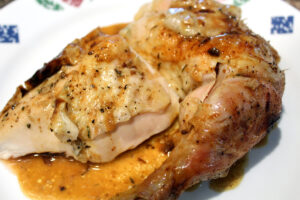
If you’ve ever grilled a thick chicken breast over high heat and ended up with one that was charred on the outside and raw in the middle, you’ve experienced the core problem that two-zone grilling was designed to solve. A single temperature zone (everything over the same amount of heat) works for thin items that cook quickly, but fails for thicker, denser proteins that need time to cook through safely.
Two-zone grilling is the most important grilling technique to understand once you move beyond burgers and hot dogs. It gives you two completely different cooking environments simultaneously on a single grill, and it works on both charcoal and gas setups with no additional equipment. Once you understand it, you’ll apply it almost every time you grill.
This guide covers how to set it up, when to use each zone, and how the method applies to specific cuts and situations.
Quick Answer: What Is Two-Zone Grilling?
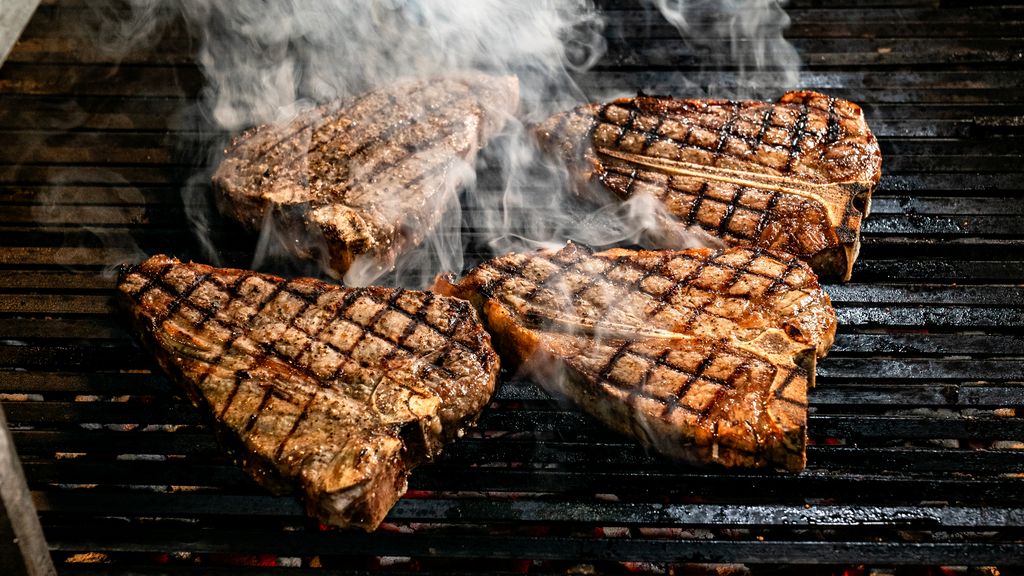
Two-zone grilling divides the grill into a hot direct-heat zone and a cool indirect-heat zone. The direct side sears and chars; the indirect side cooks through gently at lower temperature, similar to an oven. You can use both zones separately or move food between them mid-cook to get a crust and thorough cooking without one compromising the other.
The Problem Two-Zone Solves
A single high-heat zone creates a trade-off with thick proteins: hot enough to sear means potentially burning the exterior before the center reaches a safe temperature. Cool enough to cook through safely means you never develop a proper crust or char. Most standard grilling instructions don’t address this trade-off explicitly. They just give you a temperature and a time, which is why a lot of home-grilled chicken is either undercooked inside or charred outside.
The two-zone setup dissolves the trade-off. You can sear hard on the hot side to get the crust and color you want, then transfer to the cool side to finish cooking gently at a controlled temperature. Or reverse it: cook on the indirect side until nearly done, then blast briefly over direct heat for the last minute of color. Either approach produces dramatically better results than a single-temperature grill.
The technique also gives you a safety valve for flare-ups. When fat drips and flames spike, you can move food to the indirect zone immediately rather than watching it char. On a two-zone grill, you’re always one quick move away from a controlled environment.
How to Set Up a Two-Zone Fire
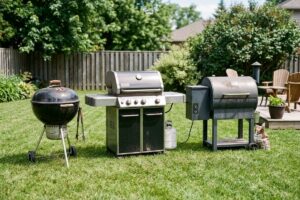
On a Charcoal Grill
Light your charcoal and let it ash over completely. This typically takes 20–25 minutes with a chimney starter. The coals are ready when they’re fully covered in grey ash with a bright orange glow visible through it. Unlit or still-black coals haven’t reached their full heat output yet.
Once ready, rake or pour all the lit coals to one side of the grill. A full load of charcoal concentrated on one side creates the direct zone. The opposite side of the grill, with no coals beneath it, is the indirect zone. There should be a meaningful temperature gap between them.
For very long indirect cooks (more than 45 minutes) you may need to add fresh coals to maintain the direct zone’s heat. Arrange them in a pile or snake pattern depending on how long the cook will run.
On a Gas Grill
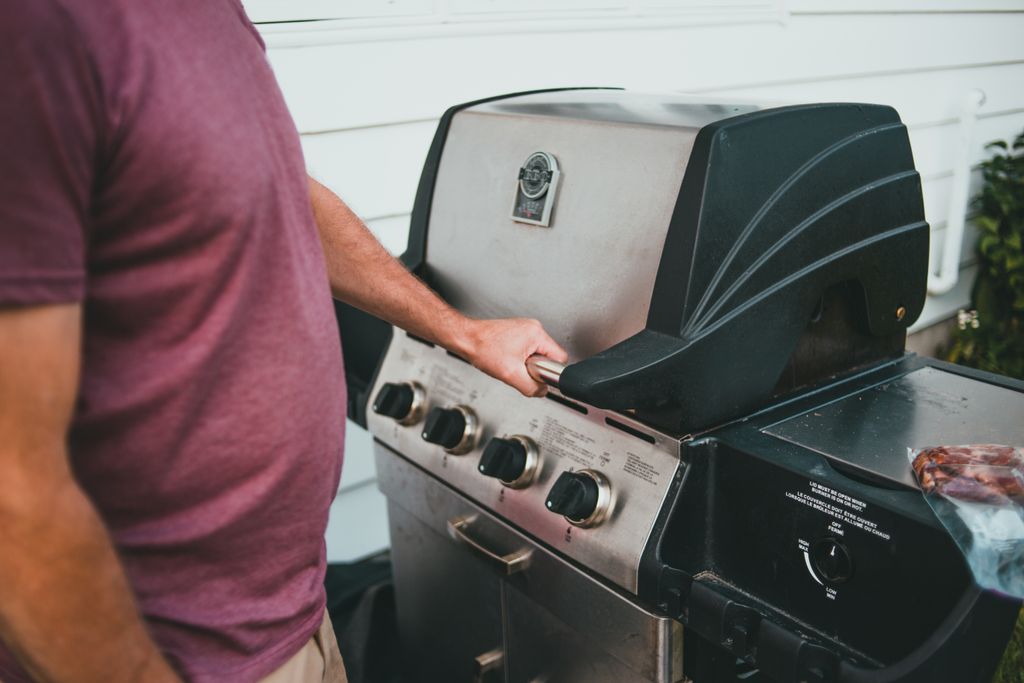
Two-zone gas grilling requires nothing more than turning some burners on and leaving others off. On a two-burner grill, light one burner on high and leave the other off. On a three-burner grill, light the far left burner on high and leave the center and right burners off — this gives you a large indirect zone with plenty of room.
The key is making the temperature difference between zones significant, not marginal. The direct side should read 450°F or higher at the grate. The indirect side, with the lid closed, should be running at 275–325°F, similar to a moderate oven. If both sides are warm, you don’t have a functional two-zone setup.
Helpful Resources:
Charcoal vs. Gas vs. Pellet Grills: Which is Right for You?
How to Perfectly Sear a Steak
Direct Heat vs. Indirect Heat: When to Use Each
Use Direct Heat For
- Thin cuts that cook through in under 8 minutes: burgers, hot dogs, thin chicken cutlets, fish fillets under 1 inch thick, most vegetables
- Building a sear or char on food that was started and mostly cooked on the indirect side
- Anything where you want color, crust, or grill marks and the protein is already cooked through
Use Indirect Heat For
- Thick cuts that need time to cook through: bone-in chicken pieces, pork chops over 1 inch, whole tenderloins, thick fish steaks
- Proteins that you want evenly cooked throughout before adding a sear — the reverse sear method
- Holding cooked food at temperature while other items finish over direct heat
- Any cook that benefits from convection-style heat rather than direct flame
Real-World Applications
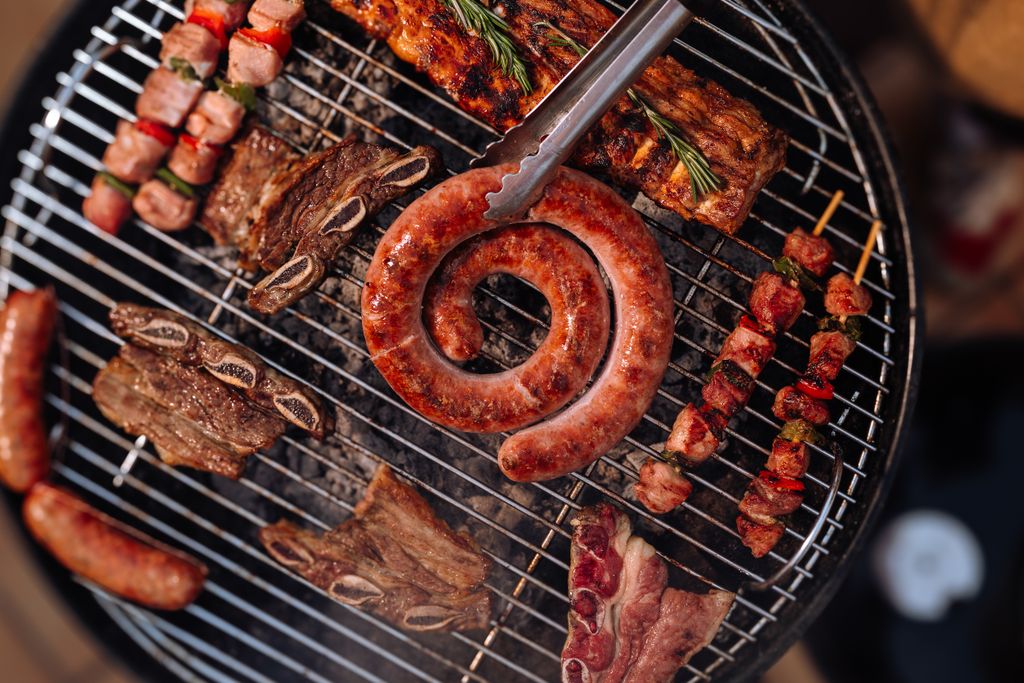
Bone-In Chicken Thighs
Chicken thighs are one of the best demonstrations of the two-zone method. They have enough fat to produce significant flare-ups over direct heat alone, and they need adequate time to reach a safe 165°F internal temperature. Direct heat only almost always produces charred skin and undercooked meat.
The two-zone approach: place thighs skin-side up on the indirect side, close the lid, and cook until internal temperature reaches 155°F (approximately 30–35 minutes). Then transfer to direct heat, skin-side down, for 3–4 minutes to crisp the skin, render the remaining fat, and develop char. The result is fully cooked, juicy thighs with genuinely crispy skin and no flare-up risk during the slow phase.
Thick Pork Chops (Reverse Sear)
A 1.5-inch bone-in pork chop cooked entirely over direct heat will char long before the center is safe to eat. The solution is the reverse sear: season the chop, place it on the indirect side, close the lid, and cook until the internal temperature reaches 130°F. Transfer to direct heat and sear for 90 seconds per side to develop a crust. Rest for five minutes. The result is evenly cooked, juicy pork with a proper browned exterior.
Whole Fish
Whole fish benefits enormously from the indirect zone. The delicate flesh cooks evenly through gentle convection heat, while a brief finish over direct heat crisps the skin. Stuff the cavity with herbs, lemon slices, and aromatics; oil the exterior generously; score the skin in two or three places to prevent curling. Cook indirect until the flesh at the thickest part flakes easily and reaches 140°F. Finish 1 minute per side over direct heat.
Sausages
Sausages are a two-zone showcase. Cook them entirely on the indirect side until they reach an internal temperature of 155–160°F, which fully renders the fat and cooks them through. Then roll them over direct heat for 2–3 minutes to crisp and char the casing. This method prevents the casing from bursting (which happens when cold sausages hit direct heat) while still delivering proper grill marks and color.
Common Mistakes
The most frequent error is not creating enough temperature difference between zones. If both sides of the grill feel warm, you’re not working with a genuine two-zone setup — you just have a warm grill with a warmer side. The indirect side needs to be meaningfully cooler: 275–325°F when the lid is on.
The second mistake is cooking with the lid open on the indirect side. The lid is essential for indirect cooking because it converts that side of the grill into a convection environment, circulating heat around the food. Without the lid, indirect heat is much less effective and efficient.
The third mistake is not using a thermometer. Cooking by time alone on a grill is unreliable because every grill, every fuel load, and every ambient temperature produces different results. Check internal temperature every time on every significant protein. The thermometer is the only accurate information you have.
Frequently Asked Questions (FAQs)
What is two-zone grilling?
Two-zone grilling means dividing your grill into a hot direct-heat side and a cool indirect-heat side. You use the hot side to sear and develop a crust, and the cool side to cook food through at a controlled temperature (similar to an oven) without burning the exterior.
Can you do two-zone grilling on a gas grill?
Yes. On a gas grill, light one or two burners on high and leave the remaining burners off. The lit side provides direct heat; the unlit side provides indirect heat. The temperature difference between zones should be significant. Aim for 450°F+ on the direct side and 275–325°F on the indirect side.
What temperature should the indirect zone be?
With the grill lid closed, the indirect zone should run at 275–325°F — similar to a moderate oven. This temperature cooks proteins through without burning them and allows carryover cooking to complete. If your indirect zone is running hotter than 350°F, reduce direct heat or add less fuel.
Do you keep the lid open or closed for two-zone grilling?
Keep the lid closed on the indirect side. The lid creates a convection environment that circulates heat around the food, making indirect cooking much more effective. Open lid indirect cooking is significantly slower and less even. On the direct side, the lid can be open or closed depending on how much heat you want.
What is the reverse sear method?
The reverse sear means cooking thick proteins on the indirect side first — at low, gentle heat — until they reach 10–15°F below your target internal temperature, then moving to direct heat briefly for a final crust. This produces more even doneness and a better crust than starting over high heat.